IBD, Crohn's disease, and the microbiome

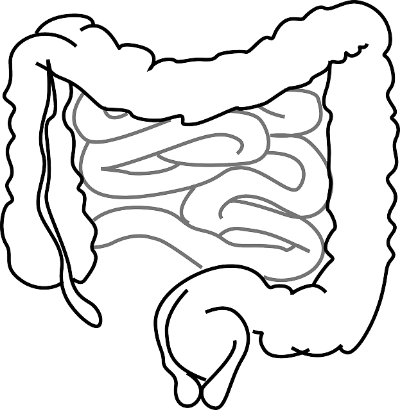
There have been several large scale studies that show a definite association between the microbiome and inflammatory bowel diseases like Crohn’s and colitis.  While it is becoming clear that the microbiome plays a pivotal role in these diseases, the exact mechanisms of pathogenesis are not known.  One of the reasons it has been so hard to uncover this link is because of a lack of robust studies, that usually contain small sample sizes.  In response, a team of leading scientists in the field, including multiple scientists from our own scientific advisory board, assembled a brand new cohort, the largest of its kind, to study the disease.  The cohort consisted of 447 children with newly diagnosed, still untreated, Crohn’s disease and 221 healthy children.   They then combined this data with two other cohorts that included adult patients to bring the total number of samples to 1,742.  The first results of this study were published in Cell Host and Microbe, and shed many insights into IBD and its relationship to the microbiome.

In the study the researchers sampled and sequenced the microbiome of the gut mucosa and stool.  From this data, they identified specific bacteria that had higher abundances in diseased patients, like Enterobacteriaceae and Veillonellaceae, and others that had lower than normal abundances, such as Clostridiales and Bacteroidales.  According to the samples, these relative abundances were more pronounced in the mucosal samples, rather than the stool samples, meaning that the mucosa may play a more important role in Crohn’s pathogenesis and diagnosis.  Moreover, children under age 10 did not have large populations of the ‘bad’ bacteria, which were negatively correlated with age.

Another important finding from the study is that antibiotic treatment of the Chrohn’s disease further exacerbated the microbial imbalances (dysbiosis), and caused the bad bacteria to proliferate and the good bacteria to die off.  The researchers are quick to dismiss antibiotics as the cause of the disease, rather hypothesizing that the antibiotics allow for opportunistic bacteria to grow which may cause dysbiosis.  They also encourage further research on the subject and question whether antibiotics should be prescribed to IBD patients.

The researchers used this knowledge of the dysbiosis to create a potential diagnostic for IBD.  They were able to calculate a microbiome diversity index by sampling the mucous for the existence of certain bacteria and for overall microbiome diversity.  The index shows remarkable ability to not only accurately predict the existence of IBD, but also the severity of it.  Also, the researchers showed their microbiome dysbiosis index could be combined with clinical data to better predict the future outcome of the disease.

A final conclusion of the paper is that the gut mucous is a more accurate signal for IBD.  They conclude that stool samples are composed of higher levels of aerobic, oxygen using, bacteria than those in gut, and that stool is not representative of the overall microbiome.

This study is the first to rigorously tackle IBD, specifically, Crohn's disease, and the microbiome.  We now know what bacteria are most highly associated (both positively and negatively) with IBDs, and how this this information can be incorporated into early diagnostic screens.

Please email blog@MicrobiomeInstitute.org for any comments, news, or ideas for new blog posts.

The views expressed in the blog are solely those of the author of the blog and not necessarily the American Microbiome Institute or any of our scientists, sponsors, donors, or affiliates.

'Kissing' your microbiome goodbye

Kissing is perhaps the most direct way in which we transfer our microbiomes to one another.  In fact, there is even speculation that kissing may have evolved as a way of probing a potential partner’s microbiome for compatibility!  An investigation into how this microbial swap occurs was recently published in the journal Microbiome.  In the article, researchers measured the oral microbiome of couples that engaged in intimate kissing.

The researchers collected salivary samples and tongue swabs from 21 partners in Amsterdam, Netherlands and asked them how often they kiss, and the time of the last kiss.  They discovered that partners that kiss have more similar tongue microbiomes than those that don’t, and this similarity loosely increases with the frequency of kissing.  In addition, they discovered that the salivary microbiome is quite transient, and after 2 hours there is little retention of any swapped bacteria.  Finally they used yogurt to answer the age-old question: how many bugs are swapped during the average kiss?  The answer: 80 million!

Remember that the next time you are kissing someone new you are actually involved in a genetic swap of 80 million bacteria.  If your partner’s breath smells bad or saliva tastes bad, remember that it’s just his or her microbiome, but he or she is probably not ‘the one’. 

Please email blog@MicrobiomeInstitute.org for any comments, news, or ideas for new blog posts.

The views expressed in the blog are solely those of the author of the blog and not necessarily the American Microbiome Institute or any of our scientists, sponsors, donors, or affiliates.

The microbiome modulates the function of specific cells of the immune system

Regulatory B cells are specific white blood cells that are involved in protecting the body and have the ability to differentiate (or turn into) other types of immune cells in response to inflammation in the body. Their role is to regulate and restrain immune responses by producing the anti-inflammatory interleukin-10 but it is unclear what specific signals cause regulatory B cells to differentiate. In an article published in Nature Medicine, a team of scientists explored the effects of changes to the gut microbiome in mice on the differentiation abilities of regulatory B cells.

The authors studied a control group of conventionally housed mice with groups of mice treated with various antibiotics, including vancomycin, neomycin, and metronidazole. Mice treated with antibiotics had the majority of their gut microbiome eliminated and as a result developed milder arthritis, showing that the microbiome is responsible for the induction of arthritis. It was also found that the mice that were treated with antibiotics had reduced numbers of undifferentiated precursor B cells.

The authors later recolonized the gut microbiome of antibiotic-treated mice using fecal samples of the control mice. Examination of the regulatory B cells of the newly recolonized mice showed suppressive activity of arthritis inflammation. To examine if changes in housing had an effect on regulatory B cells, the researchers also studied conventionally raised mice compared to mice housed in a specific pathogen-free environment and this group showed reduced regulatory B cell activity.

In this study, the authors showed a strong correlation between the gut microbiome of mice and immune system inflammatory response to pathogens. This study also suggests that an overuse of antibiotics will not only deplete our gut microbiome as we have seen in several previous studies, but also reduce the function and differentiation of our regulatory B cells that play a critical role in our immune system function. 

Please email blog@MicrobiomeInstitute.org for any comments, news, or ideas for new blog posts.

The views expressed in the blog are solely those of the author of the blog and not necessarily the American Microbiome Institute or any of our scientists, sponsors, donors, or affiliates.

Treating celiac disease with bacteria?

Celiac disease is a condition that results in an individual's immune system attacking it’s own small intestine as a result of gluten consumption. Researchers at the University of Nebraska and the University of Alberta published a study in the Journal of Applied Microbiology that aimed to identify gastrointestinal bacteria that are able to break down gluten proteins, possibly opening the door for therapeutic interventions. To do this, they studied the gastrointestinal tract of pigs, as they are physiologically similar to humans.

The scientists found four strains from the Lactobacillus species that had the greatest ability to degrade gluten, L. amylovorus, L. johnsonii, L.ruminis, and L. salivarius. Pigs were fed a diet supplemented with 20% gluten for at least 16 weeks and samples of their gastrointestinal bacteria were collected. They found that the four bacterial strains were enriched, and these strains were capable of degrading specific molecules that have been linked to the immune response in celiac disease.

This study identified specific bacteria that could potentially be used to treat celiac disease. Other studies have also identified L. ruminis and L. amylovorous as bacteria that are primary degraders of gluten, making them prime candidates for therapeutic use. Currently, the only way for an individual with celiac disease to remain healthy is to avoid any product containing gluten. In the future, it may be possible for bacterial strains, possibly those identified in this study, to be introduced into the gut of a celiac disease patient through a probiotic or other method to allow for the digestion of gluten. 

Please email blog@MicrobiomeInstitute.org for any comments, news, or ideas for new blog posts.

The views expressed in the blog are solely those of the author of the blog and not necessarily the American Microbiome Institute or any of our scientists, sponsors, donors, or affiliates.

Gut bacteria may lead to psoriatic arthritis

X-ray of patient with psoriatic arthritis

X-ray of patient with psoriatic arthritis

Psoriatic arthritis (PsA) is a form of arthritis that affects individuals with the skin condition psoriasis (Ps). It is still unknown what leads to approximately 30% of psoriasis patients to eventually get PsA, a condition marked by significant joint pain among other symptoms. It has been hypothesized that changes to the homeostatic nature of the human microbiome may activate an inflammatory immune response in Ps patients, leading to the onset of PsA. 

Scientists led by a group at NYU School of Medicine recently published a study in Arthritis and Rheumatology that showed patients with recently diagnosed PsA, who had yet to be treated, had lower gut bacterial diversity compared to Ps patients and healthy controls.  They collected and sequenced 48 fecal samples from patients with PsA, Ps, and a healthy control group and identified the microbiota in each sample. Within the PsA samples, the abundance Akkermansia, Ruminococcus, and Pseudobutrivibrio microbes were decreased compared to the control subjects. The Ps samples showed a reduced abundance of Parabacteroides and Coprobacillus when compared to healthy and PsA samples. Analysis also showed that, correlating to the decrease of intestinal Akkermansia and Ruminococcus, PsA patients showed significantly reduced levels of MCFAs Hexanoate and Heptanoate, fatty acids derived from microbiota.

This study showed that PsA patients had lower levels of bacteria that are often described as beneficial and had gut profiles similar to patients with inflammatory bowel disease (IBD). The authors suggest a possible continuum in the loss of gut bacteria in the progression of the disease from psoriasis to psoriatic arthritis. While there are limitations to this study including the small number of subjects involved, it provides us with novel insight and investigation into the connection between gut bacteria and the onset of psoriatic arthritis. Further investigation is needed but this provides a target for the development of new interventions such as probiotics or prebiotics that would provide patients with the necessary bacteria that are missing in their gut.

Please email blog@MicrobiomeInstitute.org for any comments, news, or ideas for new blog posts.

The views expressed in the blog are solely those of the author of the blog and not necessarily the American Microbiome Institute or any of our scientists, sponsors, donors, or affiliates.

Red meat, atherosclerosis, and the microbiome

Atherosclerosis is a disease in which plaque accumulates in your blood vessels.  This can lead to heart attack, stroke, and sometimes death.  One of the major risk factors for atherosclerosis is high levels of a molecule called trimethylamine-N-oxide (TMAO).  TMAO is known to interfere with how the body handles cholesterol, and has long been associated with heart disease.  Researchers from the Cleveland Clinic recently published their discovery of the main pathway by which TMAO is formed in the body.  In the article they describe how TMAO is formed after the microbiome breaks down a molecule found in red meat, which is then converted by the liver to TMAO

Red meat is rich in a molecule called L-carnitine.  The researchers fed this molecule to germ free mice, mice on antibiotics, and control mice and discovered that those with a healthy microbiome produced high levels of TMAO.  They proved a new pathway for this conversion, via an intermediate molecule called γ-Butyrobetaine, by detecting genes for its production.  They then proved that γ-Butyrobetaine alone could be converted to trymethyl-amine (TMA) by the microbiome. (TMA is the precursor to TMAO before being acted on by the liver.)  Next, they discovered that a diet consisting of L-carnitine or γ-Butyrobetaine shifted the microbiome to be enriched in bacteria that could efficiently break them down to convert them to TMAO.  Finally, they gave two groups of mice a diet high in γ-Butyrobetaine to demonstrate the microbiome’s importance in atherosclerosis. One group of mice was given antibiotics to disrupt their microbiomes and the other was not.  The group given the antibiotics had less levels of TMAO and less symptoms of atherosclerosis, including plaque build-up, than those mice that had the normal gut microbiome capable of converting γ-Butyrobetaine to TMA.

This paper provides a definitive link between the actions of the microbiome and atherosclerosis.  Interestingly, some people that eat diets high L-carnitine do not produce high levels of TMAO, and are thus at less risk for atherosclerosis.  The paper hypothesizes that these people do not have the bacteria capable of converting L-carnitine to TMA.  The paper also discusses how γ-Butyrobetaine, which is now shown to be a major precursor source of TMAO, can be purchased at nutrition stores as a dietary supplement to help in building muscle.  These supplements are not regulated by the FDA, and no long term studies have been performed on γ-Butyrobetaine as a supplement to humans.  Anyone taking it should be warned that they may be at a much higher risk for heart disease.  There are clearly dangers in taking unregulated supplements, and we encourage all of our readers to be prudent with what they put in their bodies.

Please email blog@MicrobiomeInstitute.org for any comments, news, or ideas for new blog posts.

The views expressed in the blog are solely those of the author of the blog and not necessarily the American Microbiome Institute or any of our scientists, sponsors, donors, or affiliates.